Electric vehicles have moved well past trend status — this is a full-blown revolution. Over the last decade, EVs went from niche, experimental tech to mainstream essentials. Now, with a new generation of electric models hitting the roads, the actual experience of driving is shifting in ways few could have predicted years back.
If you’ve wondered why EVs are taking over, how they’re changing the way we drive, or what futuristic features the newest models bring, you’re in the right spot. Let’s walk through this electric evolution in a simple, conversational way — no engineering degree needed.
Making Sense of the Next-Gen EV Boom
Electric vehicles have come a long way. Those early models with weak range and slow charging are history now. Today’s next-gen EVs don’t just compete with gas cars — they beat them in several key areas.
Drivers are looking for:
- More power
- Greater efficiency
- Smarter technology
- More comfort
- A smaller environmental footprint
Next-gen EVs check every one of these boxes.
Why Next-Gen EVs Are Taking Off
A few different forces are driving the EV boom:
Environmental Awareness
People are paying closer attention to emissions, pollution, and climate impact — and EVs offer a cleaner path forward.
Technological Breakthroughs
Battery advances, expanding charging networks, regenerative braking, and smarter software have opened up new possibilities.
Government Incentives
Tax credits, rebates, and zero-emission zones all nudge buyers toward going electric.
Fierce Industry Competition
Automakers keep pushing to outdo one another — better performance, faster charging, longer range.
From Mechanical Complexity to Digital Simplicity
Driving an EV feels different because it fundamentally is different — it swaps mechanical complexity for digital simplicity.
Instant Torque, No Lag
Press the accelerator and power arrives immediately. No gears, no delay — just pure motion. It feels a bit like your car became a spaceship overnight.
Fewer Moving Parts
No oil changes, no spark plugs, no fuel pumps, no exhaust system. Maintenance drops to almost nothing.
A Nearly Silent Ride
EVs are remarkably quiet — quiet enough to hear yourself think. That’s a genuinely new experience.
Range Gains That Changed the Conversation
Range anxiety used to be the biggest concern around EVs. New models have largely put that fear to rest.
Longer Battery Range
Today’s EVs comfortably cover 300–500 miles per charge, with some premium models going even further.
Smarter Battery Management
Software now tracks battery temperature, charge cycles, and driving patterns to squeeze out maximum efficiency.
Lighter Materials
Aluminum frames, carbon fiber bodywork, and aerodynamic shapes extend range without cutting corners on safety.
Fast Charging Changed the Game
Charging used to be EV owners’ biggest headache. That’s changed dramatically.
Ultra-Fast Charging Stations
Modern chargers can add over 100 miles of range in under 10 minutes.
Improved Battery Chemistry
New solid-state batteries promise safer, faster charging with more capacity.
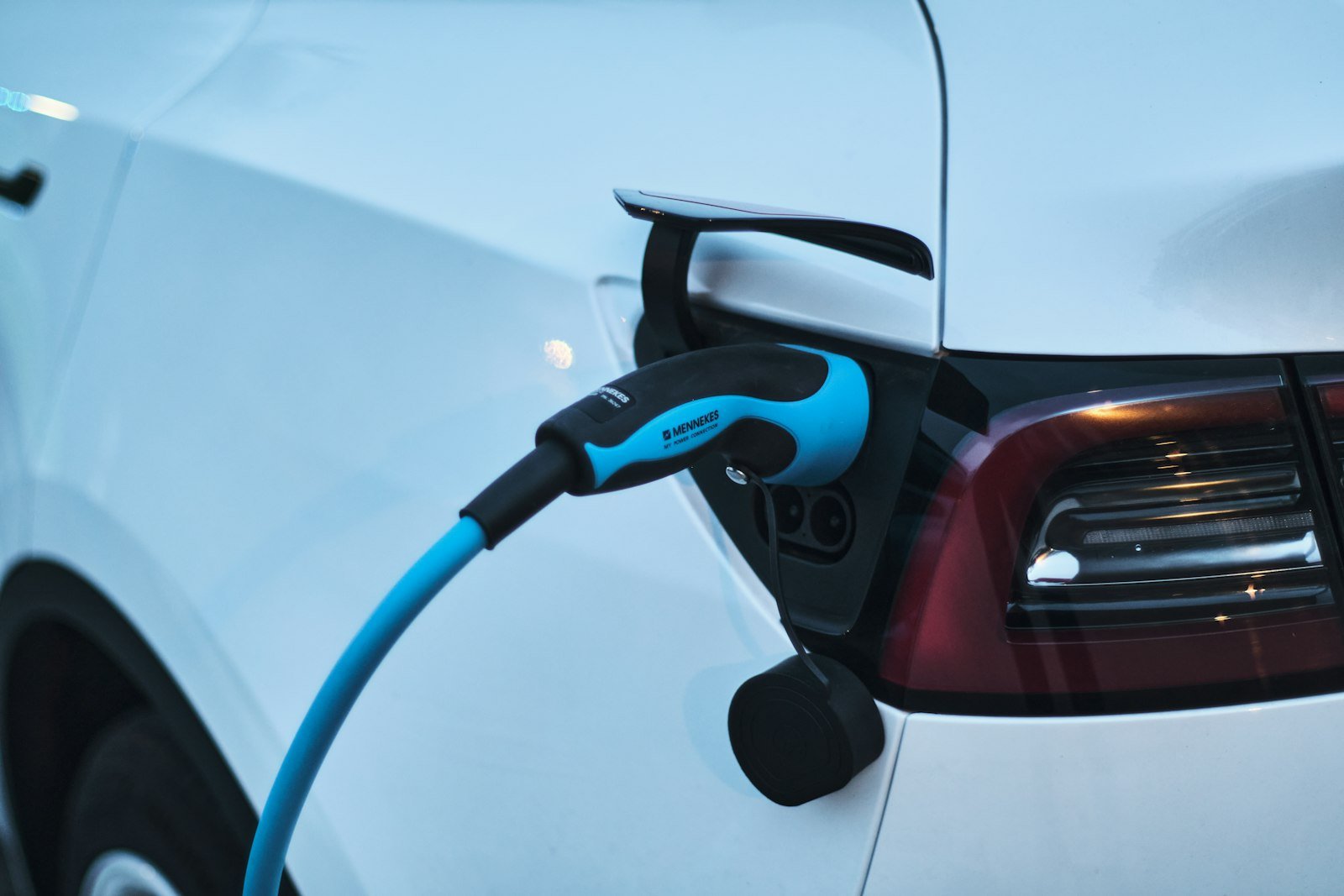
Home Charging Options
Smart home chargers let owners control charging schedules, costs, and energy use.
Hours-long charging waits are quickly becoming a thing of the past.
A Smarter, More Connected Driving Experience
Next-gen EVs are practically computers on wheels.
Over-the-Air Updates
Just like a smartphone, your EV gets software updates that boost performance, add features, or fix issues — no dealership visit required.
Built-In AI
Cars now learn your driving habits, optimize energy use, and help you dodge traffic jams.
Voice Control
Need the climate adjusted, or want to check your range? Just ask.
App-Based Control
Lock, unlock, preheat, cool, track charging status, and monitor your car — all from your phone.
Interiors That Feel Like a Luxury Lounge
Remove the engine, transmission, and mechanical clutter, and suddenly there’s a lot more room inside.
Comfort-First Cabins
Open layouts, extra legroom, and spacious seating make the ride feel more like a living room than a car.
Minimalist Dashboards
Large screens replace physical buttons, giving cabins a futuristic feel.
Efficient Climate Systems
Eco-conscious heating and cooling use less power while still keeping you comfortable.
Premium, Sustainable Materials
Vegan leather, recycled plastics, and natural fibers — next-gen EVs push sustainability inside and out.
Safety Tech That Stays a Step Ahead
EVs come loaded with the latest safety technology.
Driver Assistance Features
- Adaptive cruise control
- Lane-keeping assist
- Automatic braking
- Blind-spot detection
360-Degree Cameras
A full visual field around the vehicle removes blind spots.
Reinforced Frames
Newer EVs use protected battery housings and impact-resistant materials.
Smart Collision Avoidance
AI actively anticipates potential accidents in real time.
Performance: EVs Aren’t Just Green — They’re Quick
Plenty of people assume electric equals slow. In practice, EVs dominate speed tests.
Instant Acceleration
Some EVs hit 0 to 60 mph in under 2 seconds.
Powerful Motor Setups
Dual- or quad-motor configurations deliver excellent traction and handling.
Better Weight Distribution
Floor-mounted batteries lower the center of gravity for better balance.
Smooth, Responsive Driving
No gears, no shifting — just seamless delivery of power.
How Next-Gen EVs Cut Driving Costs
Let’s talk numbers — because EVs really do save money.
Cheaper Fuel
Electricity costs less than gasoline, especially when charging at home.
Less Maintenance
No engine means fewer mechanical problems to deal with.
Longer Lifespan
EV motors and batteries typically outlast combustion engines by a wide margin.
Government Rebates
Many regions offer discounts, tax breaks, and other incentives.
Over time, owning an EV can end up considerably cheaper than owning a traditional car.
Autonomous Features Are Growing Alongside EVs
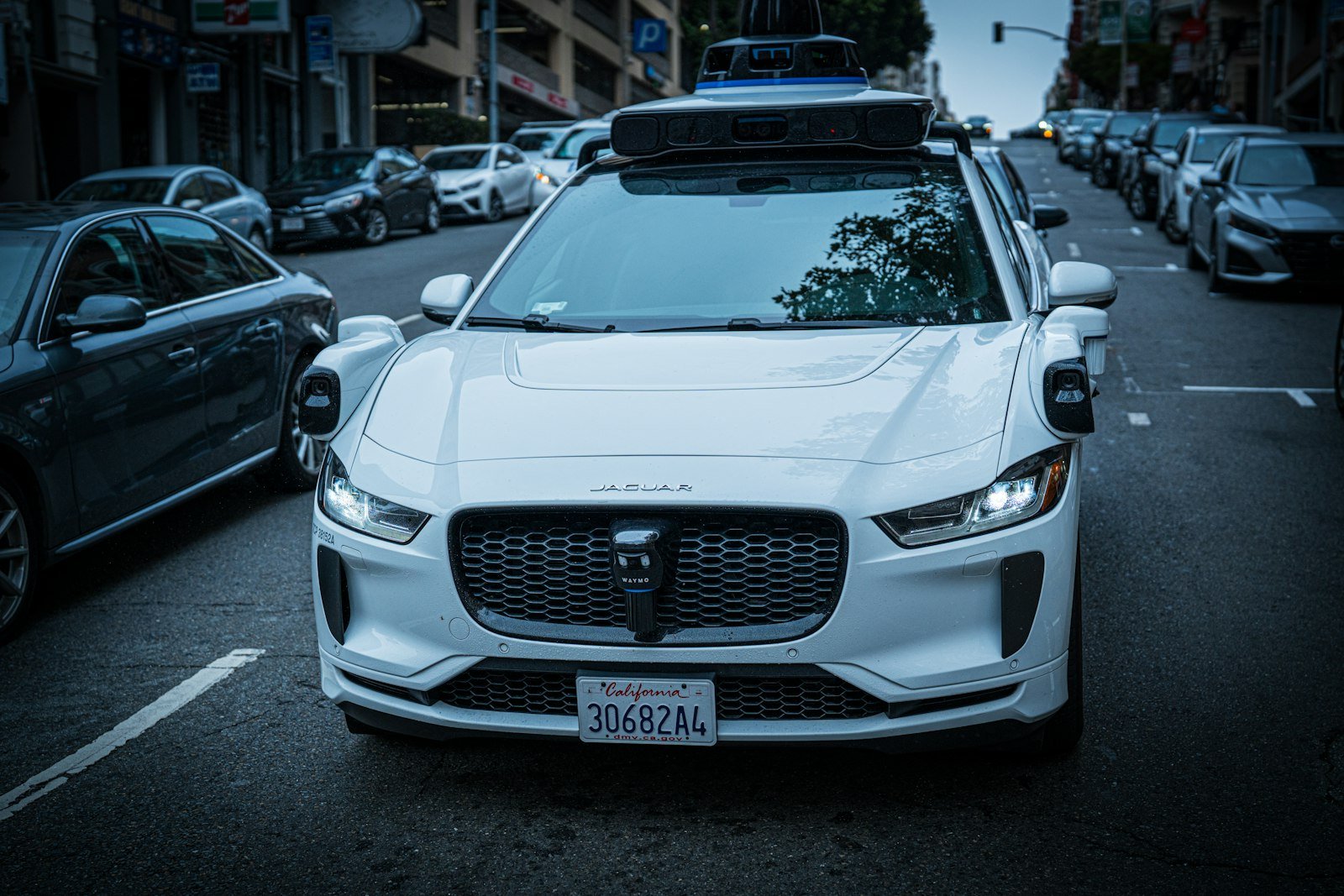
Electric and autonomous technology tend to develop hand in hand.
Self-Parking
Cars can park themselves with real precision.
Lane Autopilot
The car stays centered and maintains a safe following distance — great for long drives.
Hands-Free Highway Driving
AI and sensors manage speed, direction, and traffic flow.
Predictive Navigation
EVs factor in weather, terrain, and traffic to optimize battery usage.
A Growing Charging Ecosystem
The rise of next-gen EVs is fueling rapid growth in charging infrastructure.
Public Fast-Charging Stations
New stations pop up monthly, often near malls, plazas, and highways.
Wireless Charging
Emerging tech lets you charge simply by parking over a pad.
Solar-Powered Charging
Eco-friendly charging setups combine renewable energy with real savings.
Sustainability Beyond Zero Emissions
EVs offer more than just eliminating tailpipe emissions.
Recyclable Battery Materials
Manufacturers are now reusing lithium, cobalt, nickel, and aluminum.
Cleaner Manufacturing
Factories are shifting toward renewable energy sources.
Eco-Conscious Interiors
Sustainable fabrics and materials help shrink the environmental footprint further.
What Driving Might Look Like a Decade From Now
Next-gen EVs are only the start. Looking ahead, expect:
- Fully autonomous travel
- Solar-integrated vehicles
- Vehicle-to-grid power sharing
- Hyperfast charging
- Battery ranges beyond 700 miles
- AI-powered road safety networks
Driving is heading toward being cleaner, smoother, and smarter across the board.
Conclusion
The evolution of electric vehicles ranks among the biggest shifts in automotive history. Next-gen EVs aren’t just changing how we drive — they’re reshaping how we think about transportation as a whole. With stronger performance, cutting-edge tech, lower costs, and inventive design, EVs deliver a driving experience that feels futuristic, sustainable, and genuinely exciting.
Whether you’re weighing your first EV purchase or just curious about where mobility is headed, one thing is clear: the electric revolution is here, and it’s only getting better from here.
FAQs
1. Are next-gen EVs pricier to maintain?
No — fewer moving parts mean fewer repairs and lower long-term maintenance costs.
2. How fast can modern EVs charge?
With ultra-fast chargers, many EVs reach 80% charge in 10–20 minutes.
3. Do EV batteries degrade quickly?
Not anymore. Current EV batteries typically last 10–15 years or longer.
4. Are EVs practical for long road trips?
Yes — with growing charging networks and longer ranges, EVs are well suited for road trips now.
5. Will EVs eventually take over from gas cars entirely?
Most experts expect EVs to dominate global markets within the next 10–20 years, thanks to their efficiency, performance, and sustainability.