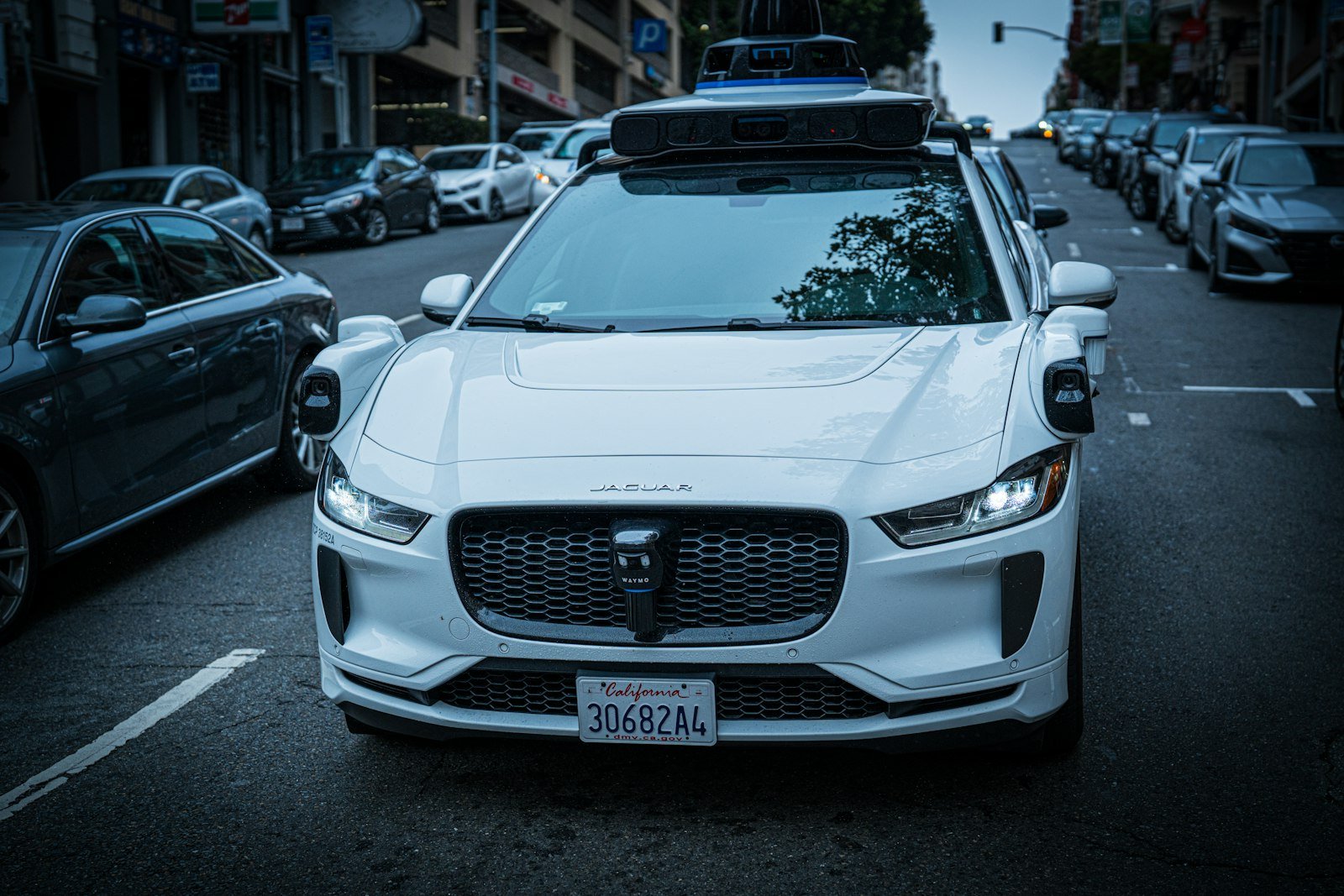
Tell someone twenty years ago that cars would eventually drive themselves, and they’d probably have written it off as science fiction. Yet here we are — living through an era where cars stay in their lanes, avoid collisions, brake faster than any human could, read their surroundings, and even make decisions on the road. Autonomous technology has stopped being a futuristic idea and is quickly becoming a normal part of everyday driving.
This shift toward self-driving capability is changing how we commute, how we think about owning a car, and even how cities get designed. This article breaks down how autonomous tech is reshaping daily driving, why it matters, what’s coming next, and how it’s gradually transforming the roads under our wheels.
How Autonomous Driving Got Here
From Manual Control to Smart Assistance
Cars have come a long way. It started with basic aids like power steering and cruise control, followed by anti-lock brakes and traction control. Now we have vehicles running dozens of sensors, cameras, and onboard computers, all working together to read the world around them.
A Genuine Technological Leap
Today’s autonomous tech brings together:
- Artificial intelligence
- Machine learning
- Real-time environmental mapping
- High-precision sensors
- Radar and LIDAR systems
- Vehicle-to-vehicle communication
The end result: cars that think, react, and adapt faster than any human ever could.
Making Sense of the Autonomy Levels
Five Distinct Levels
Autonomous driving gets grouped into levels based on how much control the vehicle can take on:
Level 1: Basic Assistance
The car handles either steering or acceleration/braking, but not both together.
Level 2: Partial Automation
The car steers, accelerates, and brakes together, though the driver must stay engaged.
Level 3: Conditional Automation
The vehicle handles most driving tasks under certain conditions, with the driver ready to step in if needed.
Level 4: High Automation
The car can manage nearly every driving task on its own, within specific areas or conditions.
Level 5: Full Automation
The end goal — a vehicle with zero human involvement. No steering wheel, no pedals, no driver.
Right now, we’re sitting somewhere between Level 2 and Level 3. Level 4 is being tested in major cities, and Level 5 will eventually redefine transportation altogether.
How Self-Driving Cars “See” the Road
A Full 360-Degree View, No Blind Spots
Humans have limits — we get distracted, we look away. Cars don’t.
Autonomous vehicles lean on a combination of advanced tools:
Cameras
Capture lane markings, pedestrians, road signs, and other vehicles.
Radar
Handles bad weather with ease, tracking objects and distance.
LIDAR
Builds a precise 3D picture of the surroundings using laser pulses.
Ultrasonic Sensors
Used for parking and slow-speed maneuvers.
Artificial Intelligence
Crunches millions of data points every second to make real-time calls.
Together, these systems give cars a sharper sense of awareness than any human driver could manage alone.
Why Safety Sits at the Core of This Technology
Cutting Down on Human Error
Most road accidents come down to human mistakes — speeding, distraction, fatigue, poor judgment. Autonomous tech tackles these directly by:
- Spotting danger earlier
- Reacting faster
- Maintaining proper following distance
- Never getting distracted
More Stability and Control
AI-assisted driving delivers smoother braking, cleaner lane changes, and more consistent behavior across every driving environment.
Features That Are Already Saving Lives
Automated features already making a real difference include:
- Automatic emergency braking
- Lane departure prevention
- Pedestrian detection
- Blind-spot warnings
- Rear cross-traffic alerts
Your car has essentially become your co-pilot.
Autonomous Features You’re Probably Already Using
Assistance Baked Into Everyday Driving
Most drivers today are already relying on some degree of autonomy:
Adaptive Cruise Control
Keeps speed and following distance in check automatically.
Lane Keeping Assist
Helps you stay centered in your lane.
Traffic Jam Assist
Takes over during slow, stop-and-go traffic.
Parking Assistance
Your car now parks more precisely than most people can.
The Convenience Factor
This is where autonomy really shines — long drives feel smoother, commutes feel less stressful, and small mistakes get corrected automatically.
How Autonomy Makes Everyday Driving Simpler
A More Comfortable Ride
Autonomous tech makes for a noticeably more relaxed driving experience:
- Stress-free highway stretches
- Easier parallel parking
- Smarter acceleration for efficiency
- Automatic speed adjustments
Driving starts to feel less like effort and more like flow.
Smarter Route Planning
Cars equipped with autonomous tech can anticipate traffic, pick safer routes, and cut travel time meaningfully.
Autonomy in Busy City Streets
Managing Chaos With Precision
Cities are messy — bikes, buses, pedestrians, constant stops. Autonomous cars handle this complexity by:
- Spotting pedestrians instantly
- Detecting cyclists
- Reading signs and signals
- Navigating tight streets
Avoiding Accidents in Cramped Spaces
Cross-traffic warnings, 360-degree camera systems, and rear collision alerts add a level of protection humans alone can’t provide.
Connectivity: The Quiet Backbone Behind It All
Cars Talking to Each Other
Vehicle-to-vehicle communication lets cars:
- Share location data
- Avoid collisions
- Warn each other of hazards
Talking to the Road Itself
Cars also interact with traffic lights and infrastructure, smoothing traffic flow and easing congestion.
Driverless Ride-Sharing: What’s Coming
Rethinking Transportation
Companies around the world are pouring money into autonomous fleets for:
- Lower operating costs
- Consistent safety
- Round-the-clock availability
Driverless taxis are already being piloted in several major cities.
Shaking Up Insurance and Ownership
Fewer Accidents, Cheaper Insurance
When machines prevent crashes, insurance claims drop off noticeably.
New Ways to Handle Liability
Automakers may eventually take on responsibility for autonomous-related accidents, shifting liability away from individual drivers.
Fewer People Owning Cars
As autonomous ride-sharing grows, fewer people may feel the need to own a personal vehicle.
Obstacles Autonomous Tech Still Has to Clear
Technical Limits
Harsh conditions like snow, fog, or heavy rain can still throw sensors off.
Regulatory Hurdles
Laws differ widely by region, which slows broader adoption.
Public Trust
Many drivers still aren’t fully comfortable handing over full control to AI.
Cost
Advanced sensor packages remain pricey, though costs are gradually falling.
Where Autonomous Driving Is Headed
What to Expect Next
Over the next decade, expect to see:
- Cars without steering wheels
- AI-personalized driving styles
- Extremely precise road mapping
- Fully autonomous highway lanes
Driving is on track to become more efficient, cleaner, and safer than it’s ever been.
Conclusion
Autonomous technology is reshaping how we drive, commute, and think about transportation altogether. What began as simple driver assistance has grown into a highly intelligent, safety-focused system with the power to transform our daily routines. Challenges remain, but the direction is unmistakable: smarter, safer, more autonomous roads. Each year, the technology gets sharper, more dependable, and more woven into daily life. The road ahead is changing — and changing fast.
FAQs
1. Are self-driving cars safer than human drivers?
Generally, yes. Autonomous cars react faster, see more, and never get distracted, making them notably safer under controlled conditions.
2. Will self-driving cars get rid of traffic?
Not entirely, but they should cut down on unnecessary braking, collisions, and the human errors that cause congestion.
3. Can autonomous vehicles handle bad weather?
Some can, though extreme conditions like heavy snow or dense fog still challenge current sensors.
4. Will autonomous cars ever be affordable?
Almost certainly. As the technology becomes standard, prices will fall, just as they have with every other major automotive innovation.
5. Do autonomous cars still need a driver present?
Most current systems still require a human to supervise, but future Level 5 vehicles are designed to run without any human input at all.