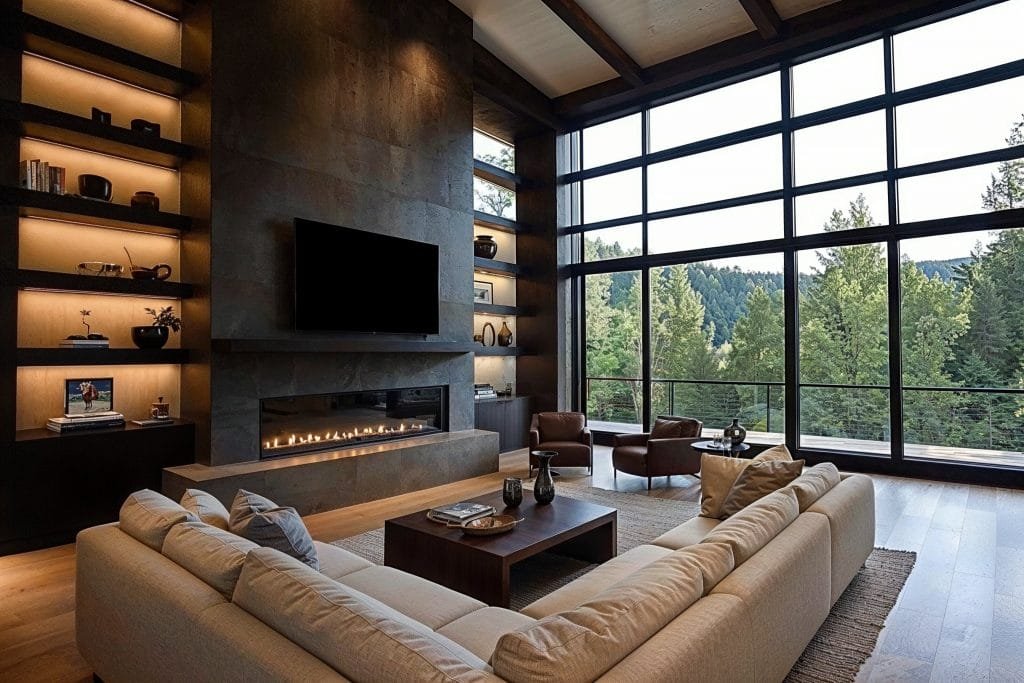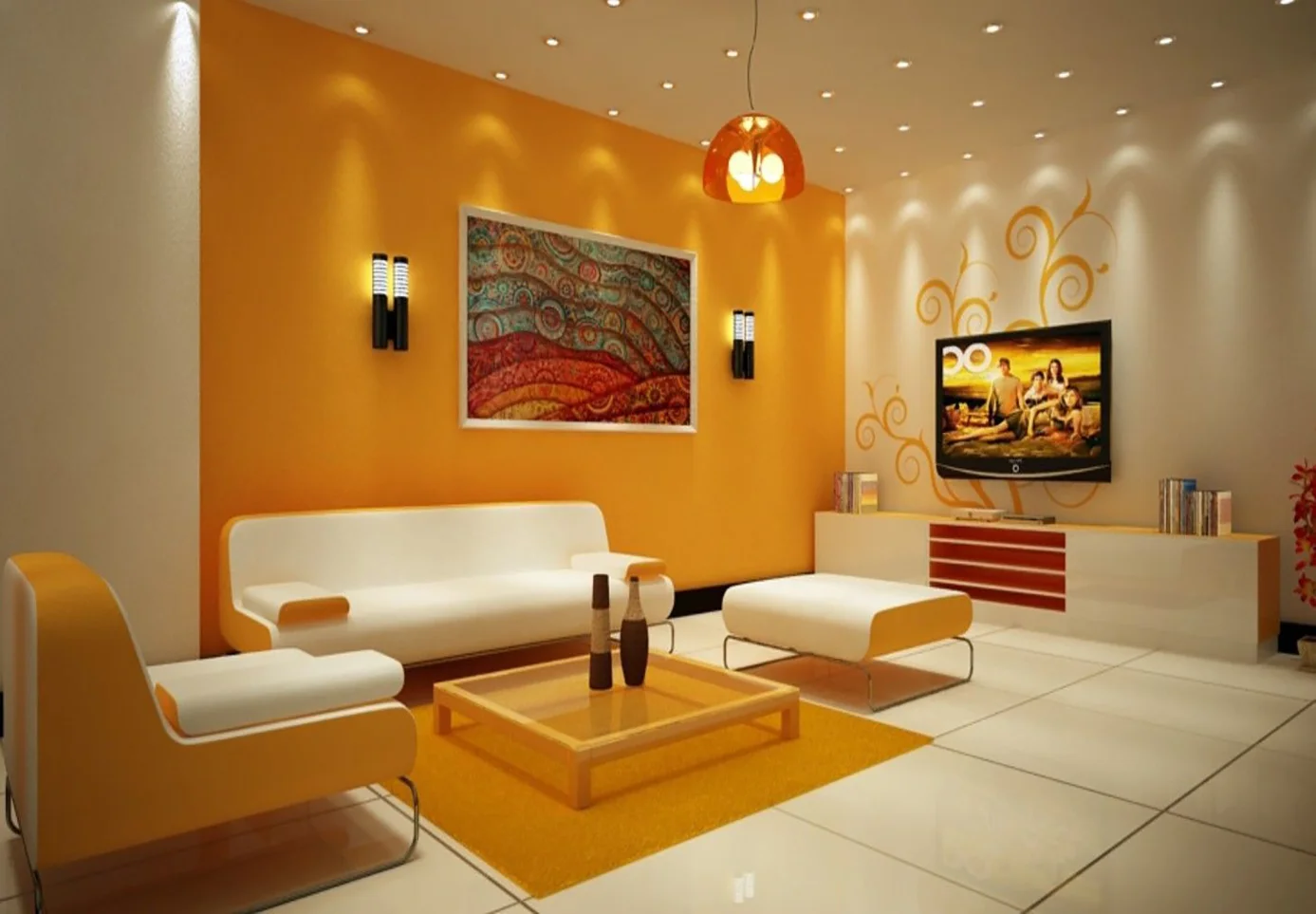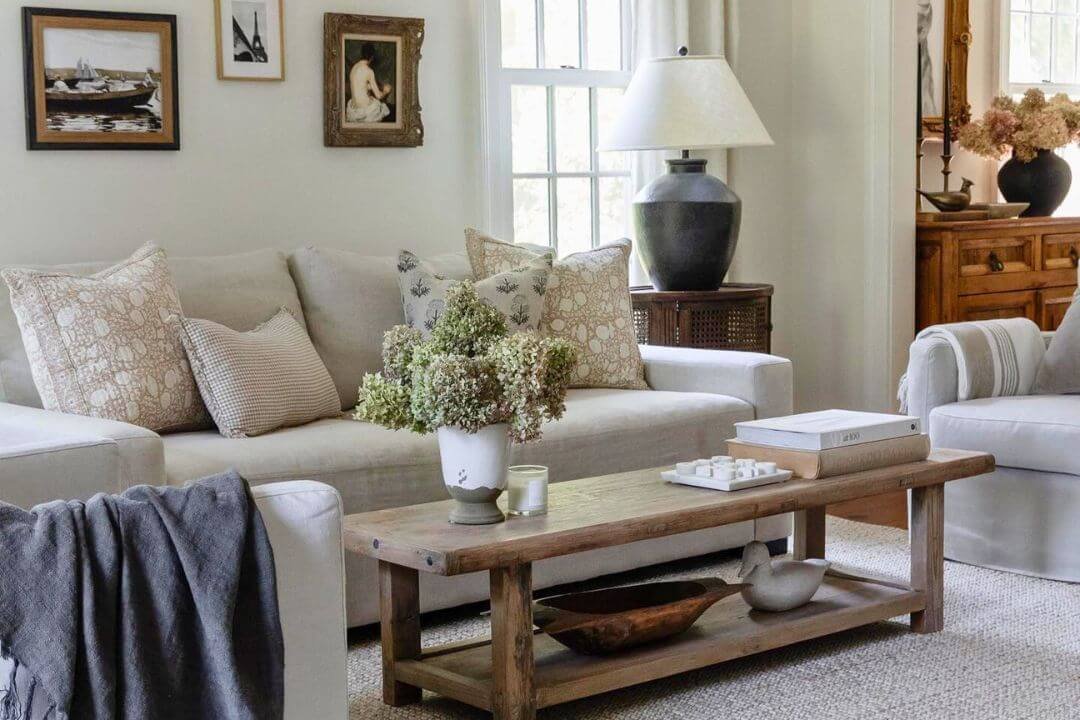
At first glance, minimalism and comfort can seem like they’re pulling in different directions. Minimalism is about clean lines, simplicity, and cutting back on clutter, while comfort is all about warmth, coziness, and spaces that draw you in. Put the two together, though, and you get homes that are both good-looking and genuinely livable — places where practicality meets beauty, and calm meets personality.
Here, we’ll look at how to blend minimalism with comfort, cover design approaches that keep a home feeling cozy instead of bare, and share practical tips for striking that balanced, elegant, welcoming look.
Minimalism and Comfort, Defined
What Minimalism Actually Means
Minimalism centers on:
- Clearing out clutter
- Cutting back on unnecessary items
- Choosing quality over quantity
- Keeping things visually clear
It’s not about having nothing — it’s about being deliberate, keeping only what serves a purpose or genuinely brings you joy.
What Comfort Looks Like at Home
Comfort shows up as:
- Soft, cozy textures
- Warm, ambient lighting
- Furniture built for relaxing
- Warm colors and inviting layouts
The point is to feel safe, settled, and at ease in your own space.
The Building Blocks of Cozy Minimalism
1. Pare Down First
- Hold onto only what you genuinely use
- Let go of anything that isn’t functional or beautiful
- Use smart storage to keep clutter out of sight
2. Choose Quality Over Volume
- Go for fewer, better furniture and decor pieces
- Durable materials look better and last longer
3. Find the Right Balance
- Combine open areas with smaller, intimate corners
- Layer in different textures so minimalism doesn’t feel sterile
Choosing Colors for a Cozy Minimalist Home
Neutral Base Tones
- White, beige, gray, and gentle pastels
- Give a room a calm, open feel
Warm Accent Colors
- Earthy shades, warm wood tones, soft terracotta
- Add warmth without disrupting the simplicity
Monochrome Layering
- Different shades within one color family
- Builds depth and texture while staying visually cohesive
Choosing the Right Furniture
Simple but Comfortable Pieces
- Sofas and chairs with clean, simple lines
- Skip overly ornate styles
- Prioritize comfort through good cushions and fabric
Furniture That Multitasks
- Beds with built-in storage
- Foldaway desks
- Nesting tables
- Hidden compartments that keep things tidy
Lighting That Supports Cozy Minimalism
Daylight
- Sheer curtains let in more sunlight
- Mirrors help bounce light and open up the room
Ambient and Task Lighting
- Soft lamps for winding down
- Spotlights or adjustable fixtures for getting things done
Layered Lighting
- Mix ceiling lights, floor lamps, and wall sconces for depth
Textures That Bring the Warmth
Soft Fabrics
- Cushions, throws, and rugs made from natural fibers
- Linen, cotton, and wool work especially well
Wood
- Wooden furniture, shelving, and flooring add natural warmth
- Combine light and dark wood tones for contrast
Metal Details
- Simple metal touches on lamps, handles, or frames
- Adds understated polish without clutter
Decluttering Without Losing Style
Storage That Stays Hidden
- Cabinets, ottomans, and under-bed storage
- Keeps surfaces clear and the look minimal
Displaying Things With Purpose
- Only display decor that actually matters to you
- Don’t overload shelves or walls
Rotating Decor
- Swap in seasonal or decorative pieces to keep things feeling fresh
- Cuts down on the need to keep everything out permanently
Building Cozy Corners
Reading Nooks
- A soft chair, a small side table, warm lighting
- Simple shelving for books
Relaxation Corners
- A meditation spot or small sofa
- Add plants and soft textures
Dining and Social Areas
- Clean table settings and minimal accessories
- Layer textiles in for extra comfort
Art and Decor Within Cozy Minimalism
Wall Art
- One or two standout pieces beat a crowded wall
- Black-and-white photography, simple prints, or abstract pieces work well
Decor With a Job to Do
- Candles, books, and attractive storage
- Blend good looks with practicality
Greenery
- Low-maintenance plants bring in texture and color
- Add life without overwhelming the room
Where Smart Tech Fits In
Built-In Technology
- Smart lighting, thermostats, and sound systems
- Keep devices tucked away to preserve the clean look
Automating for Comfort
- Lighting that adjusts by time of day or activity
- Smart thermostats that keep temperatures consistent
- Voice assistants for hands-free convenience
Making the Most of Small Spaces
Go Vertical
- Tall shelving or wall-mounted furniture
- Keeps floor space open and airy
Foldable and Modular Pieces
- Adapt a room for work, dining, or downtime
- Cuts clutter while keeping full functionality
Mirrors for a Sense of Depth
- Reflect light and make rooms feel more open
- Simple frames keep things looking elegant
Doing Cozy Minimalism on a Budget
- Declutter before anything else
- Pick versatile furniture built to last
- DIY decor using simple materials and textures
- Refresh with paint and textiles as seasons change
Small, well-chosen investments can transform a room without draining your bank account.
Keeping the Balance Going
- Periodically check whether items still earn their keep
- Rotate textiles and decor to keep things feeling new
- Keep surfaces clear and organized
- Let the space evolve as your life does
A cozy, minimalist home changes with you while staying calm and welcoming.
Wrapping Up
Minimalism and comfort aren’t at odds — they actually work together beautifully. By combining clean lines, considered furniture, soft textures, warm lighting, and intentional decor, you can build a home that feels stylish, calm, and genuinely cozy. It comes down to balance: simple doesn’t have to mean cold, and comfortable doesn’t have to mean cluttered. With a little planning and creativity, anyone can create a cozy, minimalist home that looks great and feels like a true retreat.
FAQs
1. Can a minimalist space still feel cozy?
Yes — layering in textures, warm colors, and soft lighting keeps minimalism from feeling cold.
2. How do I bring comfort into a minimalist room?
Add cushions, throws, rugs, and natural materials for warmth.
3. Does minimalism work in small spaces?
Definitely — lean on multifunctional furniture and smart storage.
4. Can smart tech fit into a cozy minimalist home?
Yes — work smart devices in subtly so they don’t disrupt the look.
5. How do I keep the balance over the long run?
Declutter regularly, rotate your decor, and buy thoughtfully.