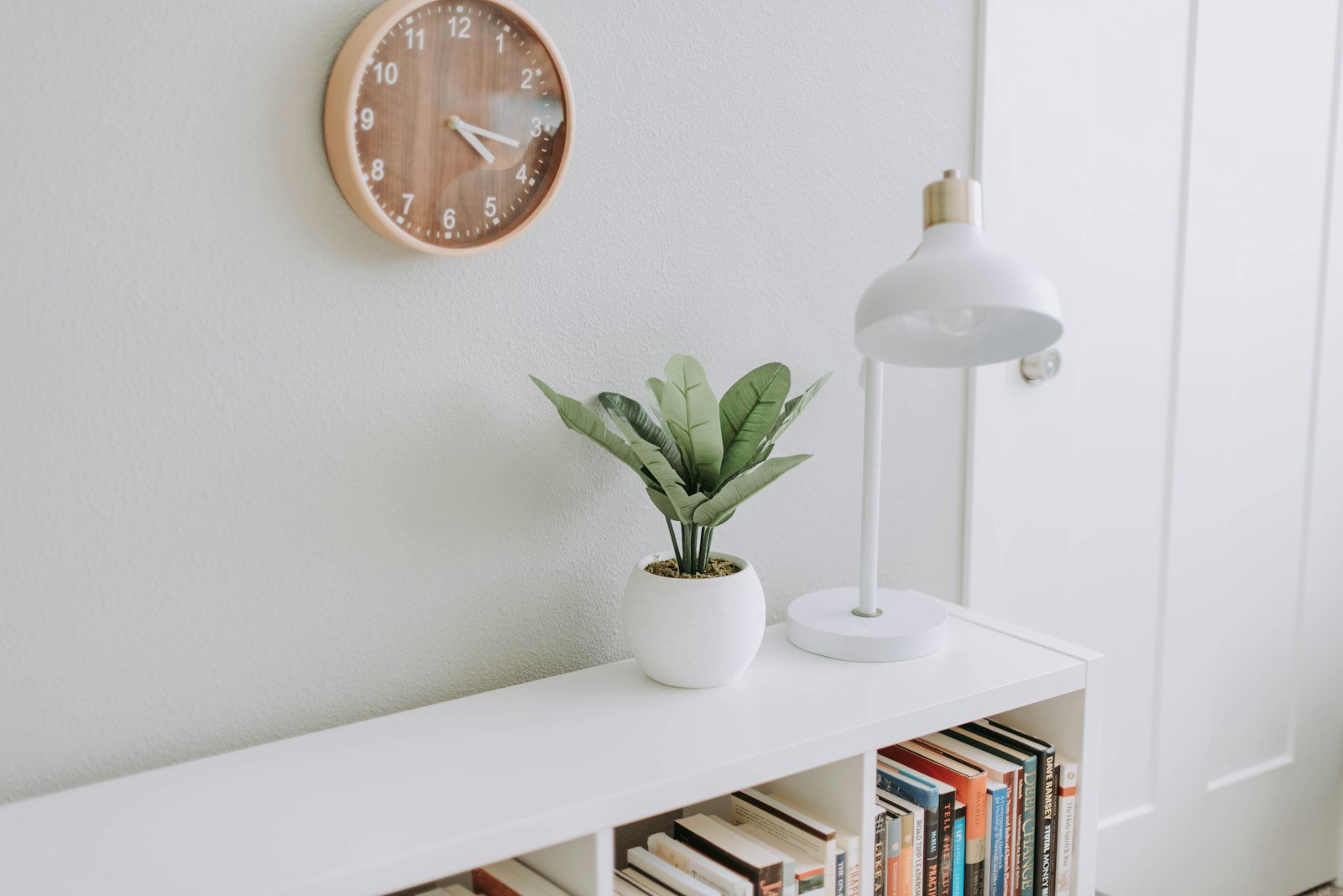
Minimalism is less about owning less and more about making room for what genuinely matters. Amid all the noise, clutter, and distraction of modern life, minimalist living offers a way back to clarity, intention, and calm. It’s not about an empty white room or getting rid of everything you own — it’s about choosing purpose over excess.
If your surroundings ever feel overwhelming, if your belongings feel like a burden, or if a chaotic environment leaves your mind foggy, this guide shows how minimalism can reshape both your physical space and your inner world.
What Minimalist Living Actually Means
A Mindset, Not a Look
Minimalism isn’t a design aesthetic. It’s a way of thinking centered on cutting excess so you can live more freely and on purpose.
Living With Intention
Whatever you keep should either serve a real purpose, bring you joy, or genuinely fit your lifestyle.
Clarity Through Simplicity
Clutter pulls at your attention. A simplified space frees up mental bandwidth and eases decision fatigue.
Why Minimalist Living Is Worth It
Less Stress
Research links clutter to higher cortisol — the body’s stress hormone. A tidier space tends to mean a calmer mind.
More Time and Energy
Less cleaning, less organizing, fewer decisions to make — all of that frees up time for the things that actually matter.
Financial Breathing Room
Minimalism naturally cuts down on impulse spending and encourages more mindful purchases.
Sharper Focus and Productivity
A tidy environment cuts distractions and clears mental space.
Signs Minimalism Might Help You
- Your belongings feel overwhelming
- You struggle to find things
- You avoid certain rooms because they’re a mess
- You shop to feel better
- Cluttered spaces leave you mentally drained
- Your home doesn’t feel peaceful
If any of this sounds familiar, minimalism is worth exploring.
Getting Started With Minimalist Living
Step 1: Pick Just One Area
Don’t attempt to declutter your entire home in one go. Start small — a drawer, a desk, or your closet.
Step 2: Ask Yourself the Right Questions
When you’re deciding what stays, ask:
- Do I actually use this?
- Does it genuinely add value?
- Would I buy it again if I saw it today?
- Does it bring me joy?
If the answer is no, it probably doesn’t need to stay.
Step 3: Sort Into Four Piles
- Keep
- Donate
- Recycle
- Trash
Skip the “maybe” pile — it just puts off decisions you’ll have to make eventually.
Going Minimal, Room by Room
1. The Bedroom
This should be the calmest room in your home.
Ways to Declutter
- Clear out clothes you don’t wear
- Keep surfaces clear
- Cut back on décor
- Go with calming colors
2. The Living Room
The heart of your home should feel open and welcoming.
Changes Worth Making
- Clear out extra furniture
- Cut back on decorative items
- Use hidden storage
- Keep entertainment areas tidy
3. The Kitchen
A clutter-free kitchen makes cooking more enjoyable.
Ways to Declutter
- Toss duplicate utensils
- Organize the pantry
- Clear the countertops
- Donate appliances you never use
4. The Bathroom
A clean bathroom lifts your mood right away.
What to Clear Out
- Expired products
- Empty bottles
- Products you never touch
- Extra towels
5. Your Digital Life
Digital clutter can weigh on you just as much as physical clutter.
Digital Decluttering
- Delete old emails
- Organize your files
- Remove apps you don’t use
- Tidy up your desktop
Minimalism for the Mind
Minimalist living isn’t limited to physical spaces — it’s also a tool for mental clarity.
1. Cut Back on Mental Clutter
Trim your list of commitments, obligations, and unnecessary tasks.
2. Set Daily Priorities
Choose the top three things that truly matter each day.
3. Cut Down on Information Overload
Turn off unnecessary notifications and unfollow anything that drains your energy.
4. Practice Being Present
Mindfulness helps you appreciate a simpler way of living.
What Decluttering Your Mind Gives You
- Sharper focus
- Better emotional balance
- Less anxiety
- More mental energy
- Better decision-making
Building a Minimalist Lifestyle
1. Buy With Intention
Before you buy something, ask:
“Do I really need this?”
2. Try the One-In-One-Out Rule
For every new item you bring home, let go of one you no longer need.
3. Favor Quality Over Quantity
Put your money toward things built to last.
4. Simplify Your Routines
Keep your day-to-day tasks simple and efficient.
Minimalism Isn’t About Deprivation
A common misconception paints minimalists as living dull lives in bare homes.
Real minimalism is really about:
- Freedom
- Peace
- Clarity
- Intention
- Balance
You can live minimally without giving up comfort or style.
Minimalism Mistakes Worth Avoiding
Purging Everything All at Once
You’ll likely regret it. Declutter gradually instead.
Being Too Rigid About It
Minimalism should feel liberating, not restrictive.
Comparing Yourself to Other Minimalists
Your version should fit your needs, not someone else’s Instagram feed.
Buying New Things to Look “Minimalist”
Minimalism is a mindset, not a shopping trend.
Keeping It Up Over Time
Weekly Reset
Spend 10–15 minutes tidying the areas you use most.
Monthly Declutter
Revisit each space and clear out what’s crept back in.
Buy Mindfully
Pause before adding anything new to your space.
Minimalism and Sentimental Items
Emotional attachment is often what makes decluttering hard.
Handling Sentimental Items:
- Keep the ones that truly matter to you
- Photograph items you want to remember
- Pass some along to loved ones
Nothing says you have to toss your memories to declutter.
Conclusion
Minimalist living is a genuine path to more freedom, clarity, and peace. Clearing out your home while simplifying your mind opens up room for what really counts — joy, intention, and balance. This isn’t about having less just for its own sake; it’s about clearing away the unnecessary so you can live more fully. Start small, stay intentional, and watch your life shift one simplified space at a time.
FAQs
1. Do I have to get rid of everything to be a minimalist?
No. Minimalism means keeping what adds real value, not living with the bare minimum.
2. How long does decluttering a home usually take?
It varies by space, but starting small and staying consistent works best.
3. Is minimalism an expensive lifestyle?
No — it typically saves money, since you buy less and choose more carefully.
4. What if the rest of my family isn’t on board?
Start with your own spaces. Leading by example works better than forcing the issue.
5. Can minimalism help with anxiety?
Yes. A simpler, tidier environment can lower stress and support mental clarity.