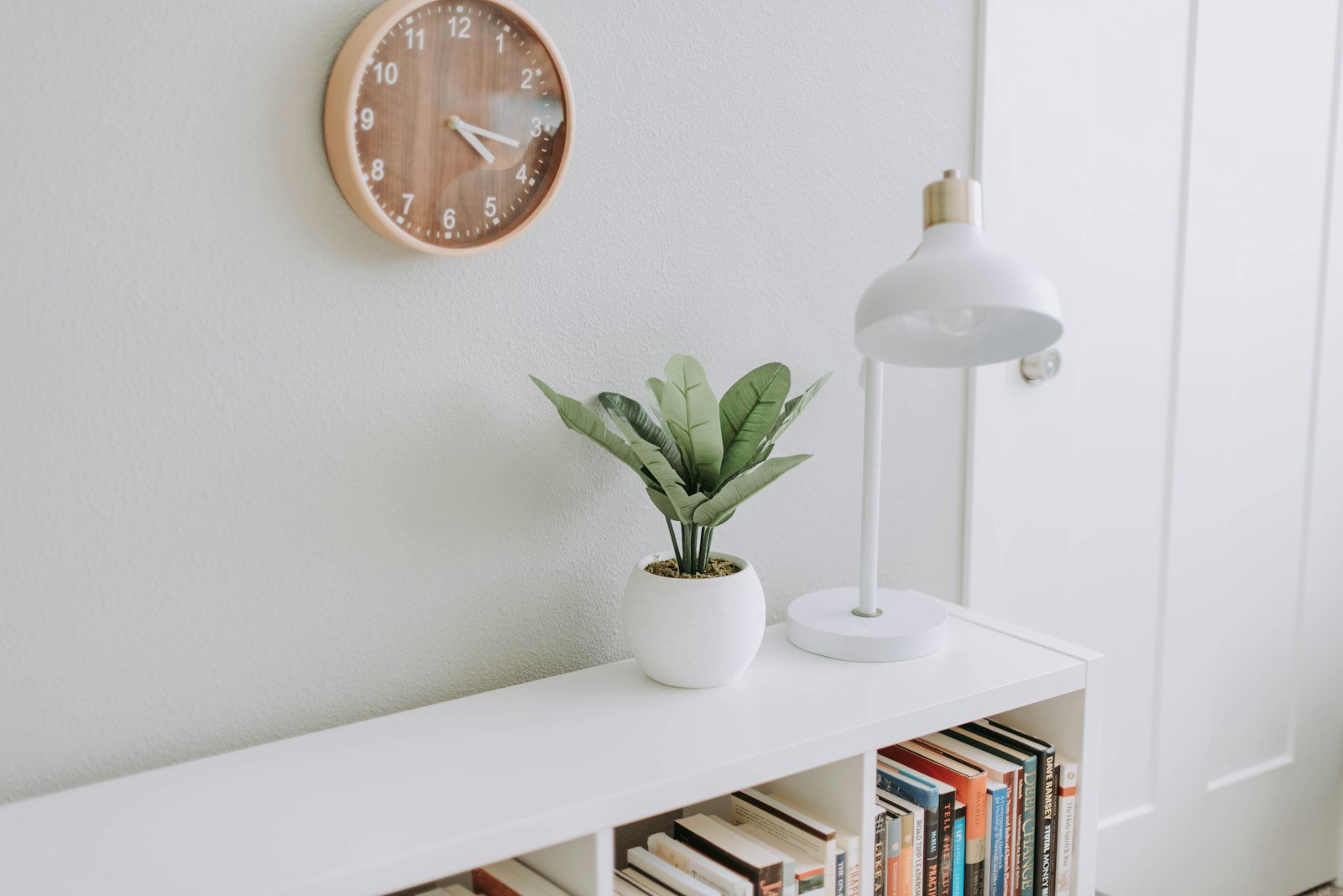
Life today can feel like a nonstop sprint. We rush to work, rush toward deadlines, rush through conversations, rush through meals — rush through life itself. The payoff? Stress, burnout, a constant sense of overwhelm, and the nagging feeling that time keeps slipping away faster than we can hold onto it.
Slow living offers a way out of that chaos. It’s a way of life grounded in presence, intention, and mindfulness — one that invites you to breathe, notice, connect, and truly live, rather than simply push through your days. This guide unpacks the art of slow living and shows how to weave it into your daily routine, no matter how packed your schedule already is.
What Slow Living Is Really About
Returning to Intentional Living
Slow living isn’t about crawling through every task. It’s about doing things on purpose, with awareness and clear intention.
Quality Over Quantity
Rather than packing your calendar full, slow living pushes you toward deeper, richer experiences.
Staying Present
It shifts your attention away from what’s coming next and toward what’s happening right now.
Why Slow Living Matters Right Now
Easing Burnout
Nonstop hustle wears down your body and mind. Slow living helps restore that balance.
Supporting Mental Health
Intentional, mindful activity eases anxiety and keeps your mind grounded.
Deeper Relationships
Being fully present naturally strengthens your connections with others.
More Satisfaction With Life
Slowing down opens the door to more gratitude, creativity, and joy.
The Core Ideas Behind Slow Living
1. Presence Over Productivity
What matters isn’t how much you get done, but how fully you experience it.
2. Simplicity Over Excess
Cutting the unnecessary makes space for what genuinely matters.
3. Rhythm Over Rush
Slow living favors steady, natural daily rhythms over frantic pacing.
4. Connection Over Distraction
Technology can pull us away from life; slow living helps pull us back in.
How to Start Practicing Slow Living
Slow Down Your Mornings
Instead of diving straight into your day:
- Sit quietly for a minute
- Breathe slowly
- Stretch
- Drink water mindfully
A calm start tends to lead to a calmer day overall.
Trim Down Your Schedule
Being constantly busy isn’t an achievement — it’s a fast track to stress.
Ways to simplify:
- Say no more often
- Cut nonessential tasks
- Avoid overcommitting
- Leave room to rest
Set Boundaries With Technology
Nonstop notifications keep your brain running in overdrive.
Tech habits that support slow living:
- Cap your screen time
- Keep phones away during meals
- Turn off nonessential notifications
- Set aside daily offline hours
Practice Being Mindful
Mindfulness doesn’t require hours of meditation.
Simple ways to be mindful:
- Pay attention to your breathing
- Focus on the present moment
- Notice the details around you
- Eat slowly and with awareness
Get Comfortable Saying “No”
Declining what doesn’t matter frees you to say yes to what does.
Slow Living Through Everyday Actions
1. Eat Without Rushing
Savor your meals instead of racing through them. Taste everything. Chew with intention.
2. Walk Rather Than Rush
Even a slow five-minute walk can settle your nervous system.
3. Take Real Breaks
Your brain needs downtime to function well. Short pauses sharpen clarity and lower stress.
4. Focus on One Thing at a Time
Multitasking is largely a myth — single-tasking gets better results and leaves you feeling calmer.
5. Build Peaceful Spaces
A calm setting naturally helps your mind slow down.
Give this a try:
- Light a candle
- Keep your space tidy
- Use soft lighting
- Add plants or other natural touches
Slow Living and Your Home
Clear the Clutter
Clutter scatters your attention. A tidier space supports a slower mind.
Set Up “Slow Corners”
Dedicate spots to rest:
- A reading nook
- A cozy pillow-filled corner
- A quiet spot outside
Lean on Natural Elements
Wood, plants, natural fibers, and neutral tones all help create a grounded atmosphere.
How Slow Living Strengthens Relationships
Richer Conversations
Presence helps you listen closely and connect more genuinely.
Less Short-Temperedness
A calmer mindset naturally makes you more patient and understanding.
Quality Time Beats Quantity Time
Ten minutes of focused conversation can matter more than hours spent distracted.
Slow Living and Mental Health
Lower Stress
Your mind steps out of constant fight-or-flight mode.
Improved Emotional Regulation
You respond thoughtfully instead of reacting on impulse.
Clearer Thinking
A calmer mind thinks more clearly.
More Joy and Gratitude
Slowing down helps you catch the small, beautiful moments you’d otherwise miss.
Bringing Slow Living Into Your Work Life
Take Deliberate Breaks
A three-minute pause can reset your focus.
Prioritize Deep Work
Give full attention to one task instead of constantly switching between things.
Set Clear Boundaries
Turn off notifications once the workday ends.
Don’t Overload Your Schedule
Protect your mental energy like any other resource.
Why Doing Nothing Still Counts
In slow living, rest isn’t wasted time.
Moments of stillness give your mind room to process emotions, clear away noise, and reset.
Simple Slow Living Practices to Try
- Drinking tea without any distractions
- Journaling for five minutes
- Sitting quietly before bed
- Sipping water slowly
- Watching the sunset
- Taking a warm bath
These small moments create real emotional shifts over time.
Myths About Slow Living
“Slow living means being lazy.”
Not true — it’s about intention, not inactivity.
“You need money to live this way.”
Also not true — slow living is built on simplicity, not luxury.
“It takes a lot of extra time.”
In practice, slow living gives you back time by clearing out unnecessary noise.
Conclusion
Slow living is a mindset that helps you reclaim your time, your calm, and your joy. In a world that moves fast, it’s a reminder that life isn’t meant to be rushed through — it’s meant to be experienced. By embracing intention, simplifying your routines, and practicing mindfulness, you can build a life full of meaning, calm, and clarity. Slow living doesn’t ask for a dramatic overhaul; it starts with small moments of presence that grow into a genuinely fulfilling way of living.
FAQs
1. Can I practice slow living with a demanding job?
Yes — even a handful of small mindful habits can bring slow living into a hectic schedule.
2. Is slow living the same thing as minimalism?
They go well together, but they’re not identical. Slow living is about pace and presence; minimalism is about simplicity and cutting excess.
3. Do I need to give up social media entirely?
No — just healthier boundaries around it.
4. How quickly will I notice the benefits?
Most people feel calmer within just a few days of slowing down intentionally.
5. Can a whole family practice slow living together?
Definitely — it can strengthen communication, bonding, and harmony at home.